New Year Organization Reset (Room-by-Room, One Weekend)
January is the best month to reset your home. The holiday decor is coming down anyway, you’re already in “fresh start” mode, and — the secret advantage — stores are clearing out organization products at deep discounts. This is the room-by-room weekend plan that takes your home from holiday chaos to calm, without buying a single bin you don’t need.
The rule of the whole weekend: declutter first, organize second, buy last. Most “organization problems” are actually “too much stuff” problems, and no bin fixes that.
Before You Start: The Setup (30 Minutes)
- Three bags or boxes labeled: Donate, Trash/Recycle, Relocate (belongs in another room).
- One timer. Work in 25-minute bursts with 5-minute breaks — you’ll get more done and won’t burn out.
- A “maybe” box for the hard decisions. Seal it, date it, stash it. If you don’t open it in 6 months, donate it unopened.
- Snacks and music. This is a marathon disguised as a weekend.
The donation rule: if an item is broken, stained, or missing pieces, it’s trash — not a donation. Donation centers aren’t junk removal.
Saturday Morning: Kitchen + Pantry (2 Hours)
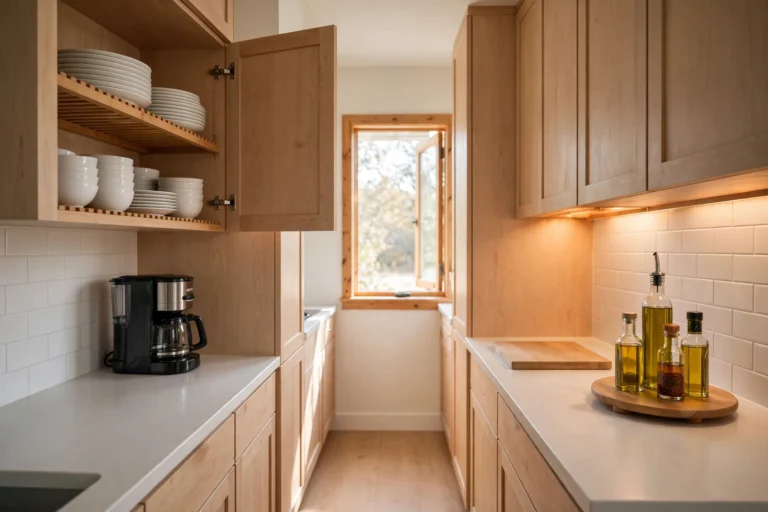
The kitchen gives the biggest visible payoff, so start here for momentum.
- [ ] Pull everything out of one cabinet or pantry shelf at a time (never the whole kitchen at once).
- [ ] Toss expired food, stale spices (older than a year), and duplicate gadgets. Be honest about the avocado slicer.
- [ ] Group what remains by use: daily cooking, baking, entertaining. Store daily items at eye level, rarely-used up high.
- [ ] Wipe shelves before restocking — you’ll never have them this empty again.
- [ ] The counter test: everything on the counter must earn its spot by being used daily. The rest goes in a cabinet.
- [ ] Corral the “junk drawer”: dump it, toss the dead batteries and mystery keys, keep only what fits in a small tray.
Pair this with our small kitchen organization ideas for the systems that keep it this way — zones, the counter rule, and vertical storage.
Saturday Afternoon: Closets + Bedroom (2 Hours)
- [ ] The hanger trick for the new year: turn every hanger backward. When you wear something, hang it back normally. In 6 months, anything still backward goes.
- [ ] Try on the “maybes.” If it doesn’t fit, flatter, or feel good right now — not “when I lose 10 pounds” — it goes.
- [ ] One in, one out starts today: for every new item this year, one leaves. Write it on a sticky note inside the closet door.
- [ ] Nightstand reset: lamp, book, water, charger. Everything else finds a real home.
- [ ] Under-bed check: pull it all out. If you forgot it was under there, you don’t need it.
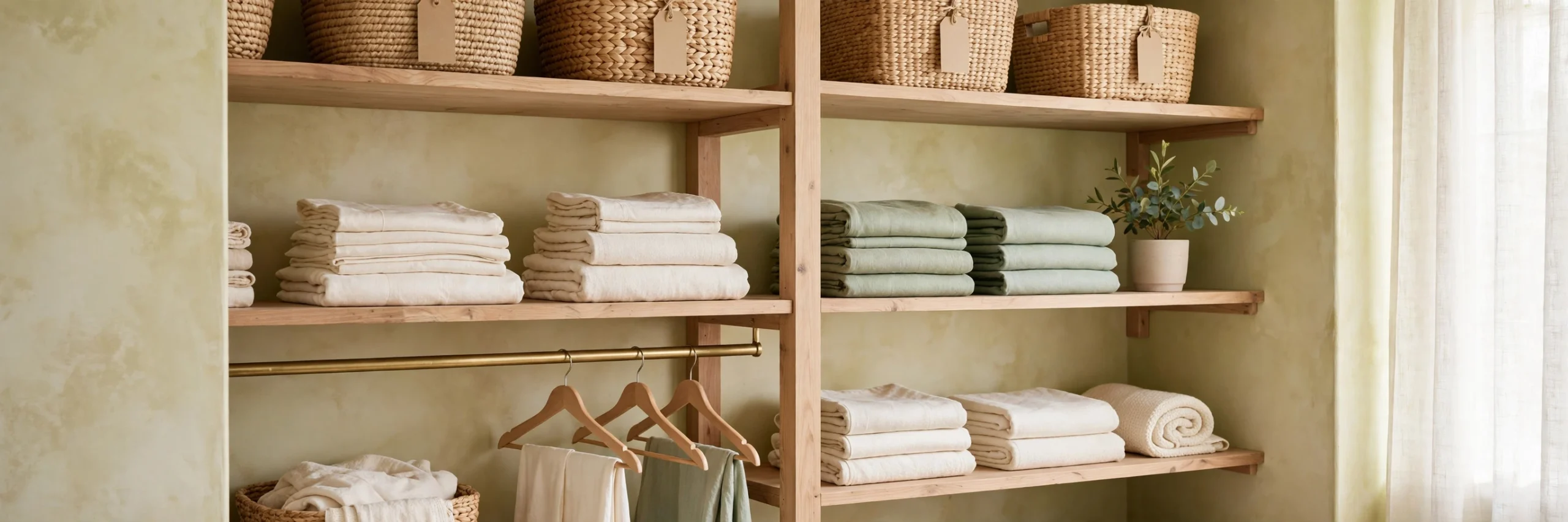
Our small bedroom and small closet guides have the budget systems for keeping these spaces calm once they’re cleared.
Sunday Morning: Bathroom + Entryway (90 Minutes)
- [ ] Bathroom: old makeup and the six half-used lotions go. For expired medications, use a drug take-back program or follow FDA disposal guidance (don’t flush unless the label specifically says to). Wipe the medicine cabinet.
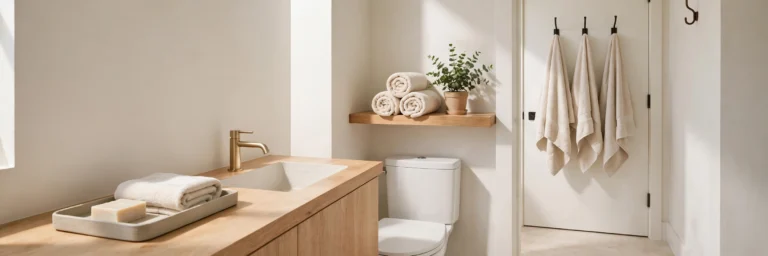
- [ ] Keep only daily products on the counter; everything else in a caddy under the sink. See our small bathroom organization for the full system.
- [ ] Entryway: the drop zone audit. Every household member gets one hook and one bin. Everything else leaves. Coats you didn’t wear all winter? Donate pile.
- [ ] Shoes: keep the pairs you actually wear weekly by the door; the rest live in closets.
Sunday Afternoon: Living Areas + Paper (90 Minutes)
- [ ] Living room: surfaces to 70% clear. Magazines older than a month go. Remote controls get a tray. Cables get one labeled box.
- [ ] The paper sweep: gather every pile of paper in the house into one spot. Sort into: action (bills, forms), file (tax docs, warranties), recycle. Shred the rest. Set up one inbox tray going forward.
- [ ] Digital declutter bonus: unsubscribe from 10 marketing emails, delete unused apps, clear the desktop. Your phone is a room too.
The 15-Minute Daily Plan (Keeps It This Way)
The reset only sticks with a maintenance rhythm. Ours takes 15 minutes:
- Morning (5 min): make the bed, start one load of laundry, wipe the bathroom sink.
- Evening (10 min): the “reset walk” — carry a basket through the house, returning everything to its home. Dishes in the dishwasher, trash out, surfaces clear.
That’s it. Homes don’t stay organized through heroic weekends; they stay organized through boring 15-minute days. The weekend reset just gives the daily habit a clean starting line.
What to Buy (After Decluttering, Not Before)
January sales are real — but only buy for problems you still have after decluttering:
| Buy this | Skip this |
|---|---|
| Matching hangers (one type) | Specialty organizers for stuff you should donate |
| Clear bins for the pantry | Opaque bins (you’ll forget what’s inside) |
| A label maker or labels | Anything “aspirational” (craft supplies for hobbies you don’t have) |
| Drawer dividers | A whole matching set before testing one |
Total realistic spend: $20–$40, and only on what survived the declutter.
The Donation Drop (Don’t Skip This Step)
Bags of donations sitting in your hallway for three weeks undo the whole reset. Schedule the drop before you start: put the donation center’s hours in your phone, or book a pickup. The reset isn’t done until the bags leave the house.
How long does a whole-home declutter take?
One focused weekend (8–10 hours total) for an average home, working room by room. The mistake is trying to do it all in one day — spread it over two days with real breaks and you’ll finish instead of quitting.
FAQ
Where do I start decluttering when everything feels overwhelming?
Start with the easiest visible win — one drawer, one shelf, the bathroom counter. Momentum beats strategy. Never start with sentimental items or the garage; start where success is fast.
How do I declutter without making a bigger mess?
One zone at a time, everything comes out, decisions get made, and everything goes back before you move on. The “pull everything out of the whole room” method is how weekends end in tears.
What should I do with things I might need someday?
The “maybe” box: seal it, date it, store it out of the way. If unopened in 6 months, donate it without opening. “Someday” items have a near-zero actual use rate — the box proves it to you.
How do I keep my home organized after a big declutter?
The 15-minute daily reset (morning 5, evening 10) plus one-in-one-out for new purchases. Systems from our room guides — kitchen, bedroom, bathroom — handle the rest.